Rio de Janeiro

Countries in the atlas · Latin America

Brazil

Rio between the mountains and the ocean, white dunes with lagoons and the Amazon.

Russian passport: visa-free · 90 daysprices ×1.3 vs Russia

Photo: Donatas Dabravolskas · CC BY-SA 4.0, Wikimedia Commons

Rio de Janeiro
Photo: Donatas Dabravolskas · CC BY-SA 4.0, Wikimedia Commons

Brazil

Rio de Janeiro

Access 1/5 · easyJFMAMJJASOND

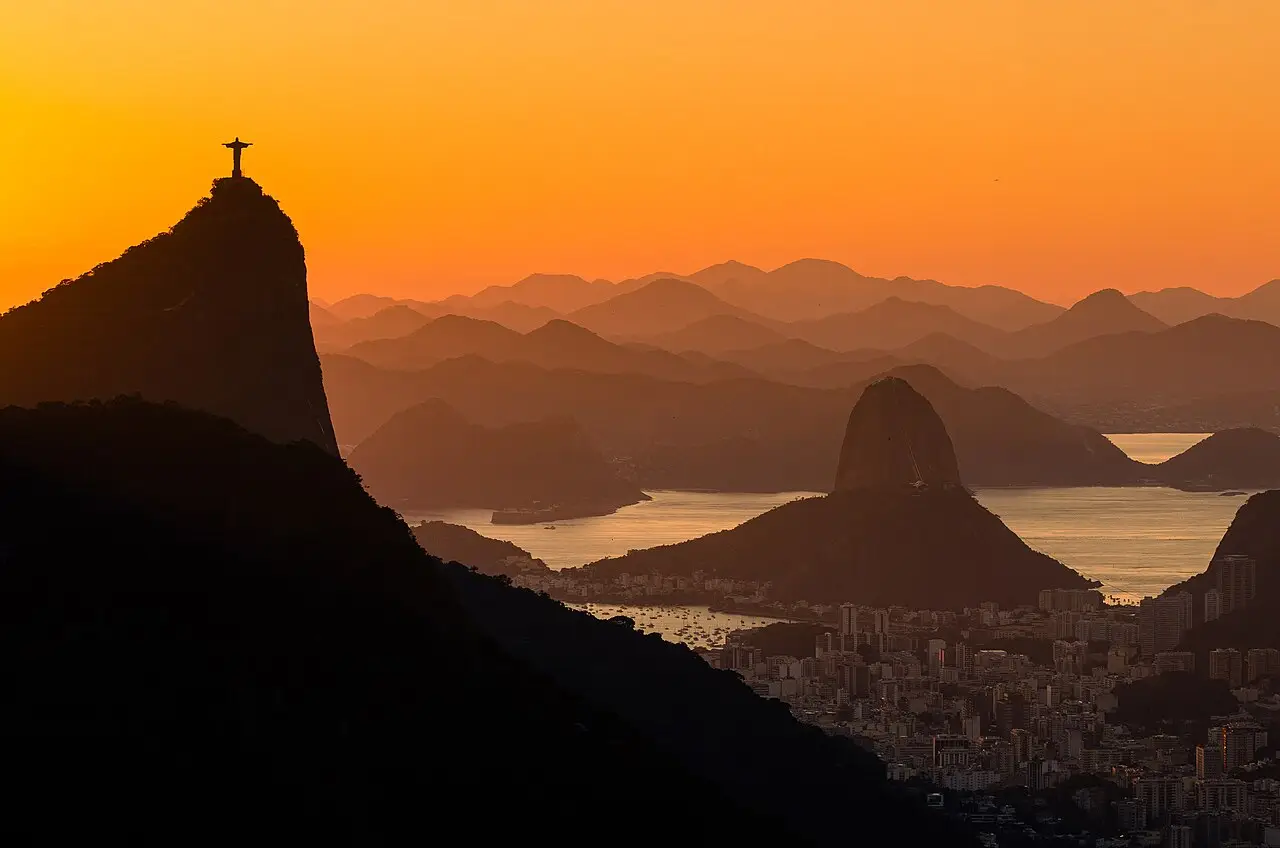
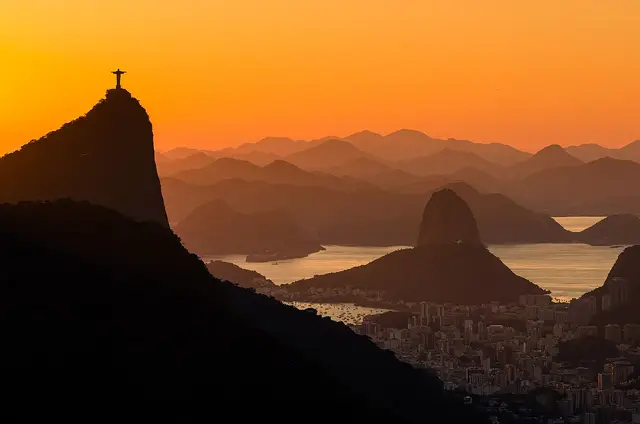
Rio is a city between mountains and sea. Christ the Redeemer looks out from Corcovado, a cable car climbs Sugarloaf Mountain, and below lie the beaches of Copacabana and Ipanema.

The scenery of Rio is on the UNESCO World Heritage List as a cultural landscape. The city asks you to keep an eye on your belongings and on the neighbourhoods you walk into.

Getting there
Fly to Rio with a connection; from the airport to the beaches, about an hour.
Fees and tickets
The train to the Christ statue costs 139 reais return.
Sources (5)
Lençóis Maranhenses
Photo: Julius Dadalti · CC BY-SA 4.0, Wikimedia Commons

Maranhão, Brazil

Lençóis Maranhenses

Access 3/5 · needs planningJFMAMJJASOND

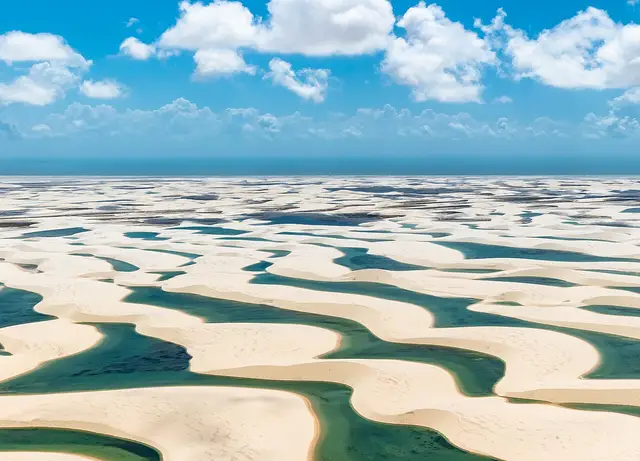
Lençóis Maranhenses is a field of white dunes by the Atlantic. In the rainy season thousands of freshwater lagoons fill up between the dunes, and from mid-year to September you can swim in them.

The national park has been a UNESCO World Heritage Site since 2024. The best-known lagoons are Lagoa Azul and Lagoa Bonita.

Getting there
Fly to São Luís, then about 4 hours to Barreirinhas, and on from there by four-wheel-drive vehicle.
Fees and tickets
Entry to the park is free, but only accredited vehicles and guides may take tourists across the dunes.
Why it’s hard
A long journey to northern Brazil, and across the dunes only by 4x4 and on foot. The lagoons are full for only a few months a year.
The Amazon near Manaus
Photo: Immelman284 · CC BY-SA 3.0, Wikimedia Commons

Amazonas, Brazil

The Amazon near Manaus

Access 3/5 · needs planningJFMAMJJASOND

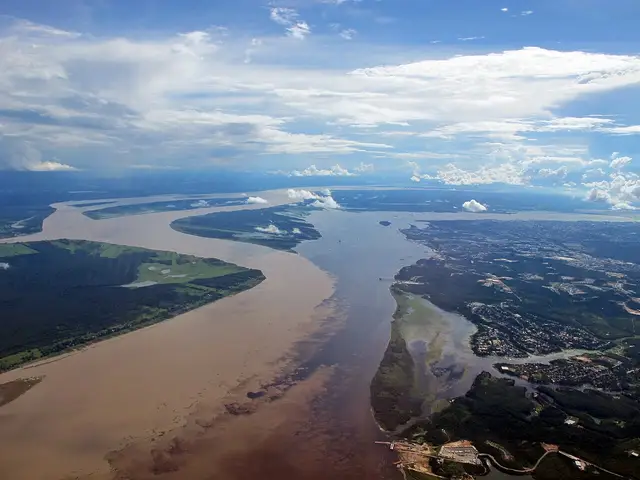
Near Manaus the dark Rio Negro and the sandy-coloured Solimões flow side by side without mixing: the “Meeting of Waters”. Beyond are flooded forests, river dolphins and the Anavilhanas archipelago.

In the jungle, stay at a lodge on the river: night outings by canoe, piranha fishing, birds at dawn. The Central Amazon is a UNESCO site.

Getting there
Fly to Manaus (connecting in São Paulo or Brasília), then by boat to the lodges.
Why it’s hard
The deep jungle can be reached only by water, with no phone signal or medical care nearby. You need a yellow fever vaccination and protection against mosquitoes.

Before you go

Brazil: entry, safety, money, flights, laws and budget — with sources.

Entry

Russian citizens: visa-free for up to 90 days in every 180 (2008 agreement); you need a return ticket and funds for the trip. Your passport needs at least 6 months of validity. A yellow fever vaccination is recommended 10 days before the trip, especially for the north.

Rules for any passport

Checked 2 November 2026. These are the rules for a Russian citizen with an international passport on a tourist trip. For other passports and purposes, see the official website — the button above.

Sources (2)

Safety

No Russian Foreign Ministry advice to refrain from travel (as of 02.11.2026). In Rio, the Ministry advises avoiding the areas near favelas controlled by criminal gangs.

Sources (2)

Money and cards

The Mir card does not work. Bring dollars in cash; declare cash over $10,000.

Sources (2)

Flights

There are no direct flights. Connections are via Istanbul, Dubai, Doha and other hubs.

Sources (1)

Laws and bans

  • Drugs: trafficking carries 5 to 15 years.
  • Carry a copy of your passport and keep the original at the hotel.
  • Taking out wild animals, insects and products made from skins is a crime.
Sources (1)

Budget

prices ×1.3 vs Russia · price level 0.46 (US = 1), 2025

Prices are a quarter higher than in Russia. The train to the Christ statue costs 139 reais; Lençóis Maranhenses is free, but only with accredited vehicles and guides.

The price level is the ratio of purchasing power parity for household consumption to the market exchange rate (World Bank). These are national averages: resorts and capitals cost more, the countryside less. Flights are not included.

Sources (1)