Machu Picchu

Countries in the atlas · Latin America

Peru

Machu Picchu, the rainbow mountains and Titicaca — the Andes of the Incas at more than three kilometres up.

Russian passport: visa-free · 90 daysprices ×1.5 vs Russia

Photo: Diego Delso · CC BY-SA 4.0, Wikimedia Commons

Machu Picchu
Photo: Diego Delso · CC BY-SA 4.0, Wikimedia Commons

Cusco, Peru · World’s best

Machu Picchu

Access 3/5 · needs planningJFMAMJJASOND

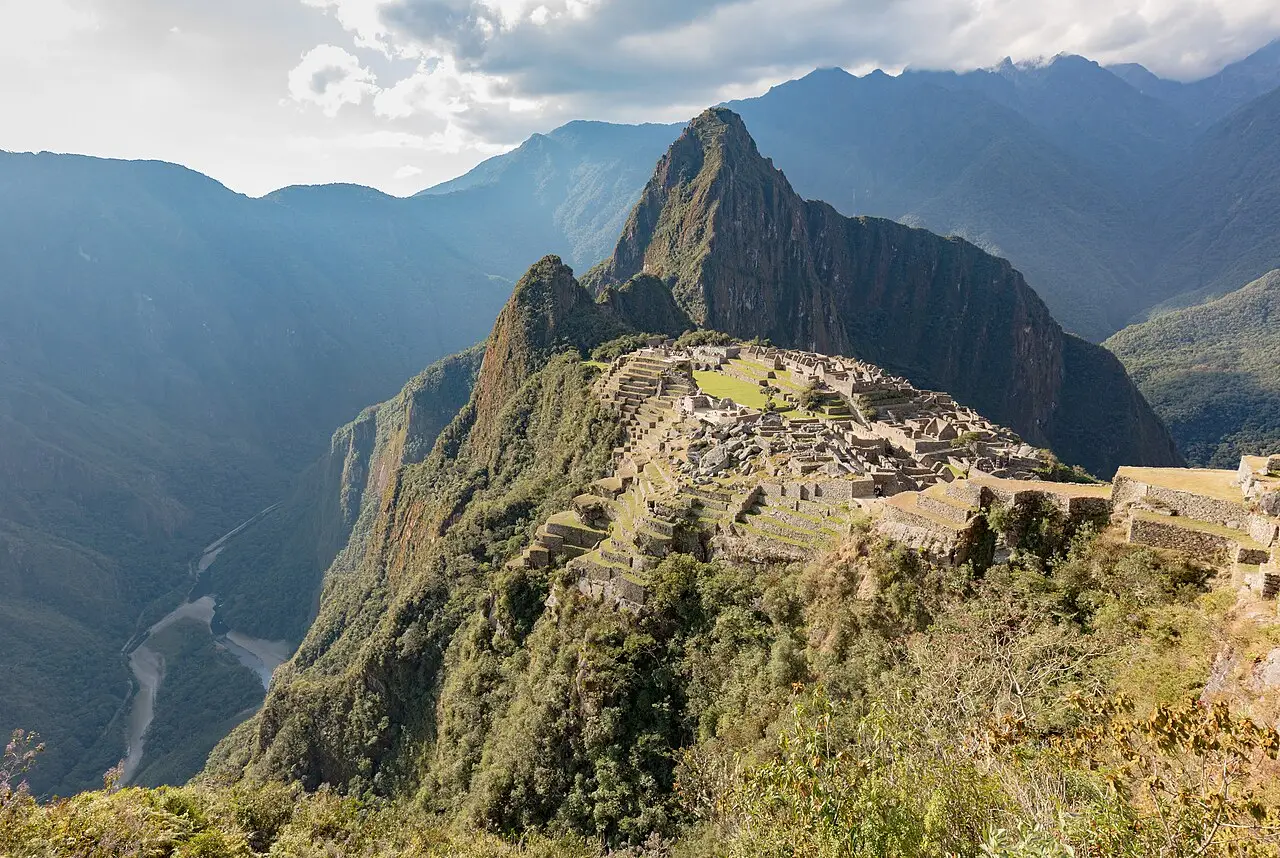
Machu Picchu was built in the 15th century and abandoned about a century later; the world learned of it in 1911. Its terraces, temples and streets stand on a saddle above a gorge, with the peak of Huayna Picchu rising over them.

A UNESCO World Heritage Site. The number of visitors per day is limited: tickets for a specific circuit and time are bought in advance.

Getting there
Fly to Cusco, take the train to Aguas Calientes (about 3.5 hours), then the bus up; or walk the four-day Inca Trail.
Fees and tickets
A ticket for a foreigner costs about 152 soles, plus a sanctuary fee of 11 soles since 01.05.2026. Buy only at tuboleto.cultura.pe; the limit is 4,500–5,600 people a day.
Why it’s hard
Cusco sits at about 3,400 metres, so you need to acclimatise. Tickets and trains sell out weeks ahead, and the Inca Trail months ahead.
Vinicunca Rainbow Mountain
Photo: José Carlos Rozas Carazas · CC BY-SA 4.0, Wikimedia Commons

Cusco, Peru

Vinicunca Rainbow Mountain

Access 3/5 · needs planningJFMAMJJASOND

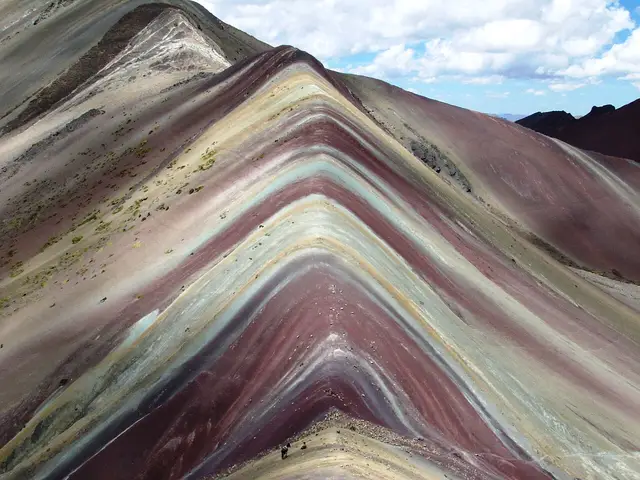
Vinicunca is a mountain about 5,036 metres high, its slopes coloured by minerals in red, yellow, green and lilac.

Nearby are the Red Valley and views of the Ausangate glaciers. An alternative is the less crowded Palccoyo rainbow mountain.

Getting there
From Cusco, about 3 hours by car to the car park, then 1–2 hours on foot uphill.
Why it’s hard
An altitude of about 5,000 metres: the climb is hard even for fit people, and going without first acclimatising in Cusco is dangerous. Departure is at 4 in the morning.
Sources (2)
Lake Titicaca
Photo: Diego Delso · CC BY-SA 4.0, Wikimedia Commons

Puno, Peru

Lake Titicaca

Access 2/5 · fairly easyJFMAMJJASOND

Titicaca is one of the highest navigable lakes in the world, at about 3,800 metres, on the border of Peru and Bolivia. Legend has it that the first Inca was born here.

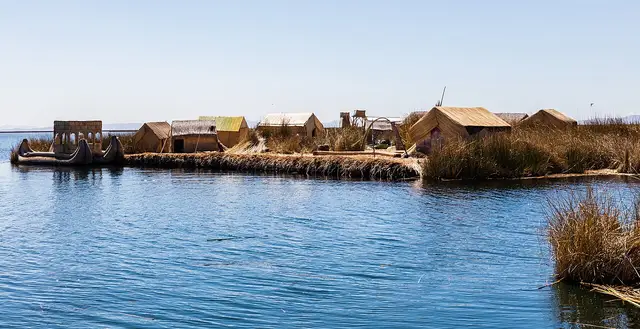
The Uros people live on floating islands made of totora reeds. On Taquile Island the men knit, and the textile art of Taquile is on the UNESCO list of Intangible Cultural Heritage.

Getting there
From Cusco, about 7 hours by bus or train to Puno; or fly to Juliaca and drive an hour to Puno.
Sources (3)

Before you go

Peru: entry, safety, money, flights, laws and budget — with sources.

Entry

Russian citizens: visa-free for up to 90 days in every 180 days (2010 agreement). Your passport must be valid for at least 6 months after departure.

Rules for any passport

Checked 2 November 2026. These are the rules for a Russian citizen with an international passport on a tourist trip. For other passports and purposes, see the official website — the button above.

Sources (2)

Safety

No Russian Foreign Ministry advice to refrain from travel (as of 02.11.2026). The Ministry warns about street crime in cities; insurgents are active in some districts of the Ayacucho, Apurímac and other departments.

Sources (2)

Money and cards

The Mir card does not work. Bring dollars in cash; declare cash over $10,000.

Sources (2)

Flights

There are no direct flights. Connections are via Istanbul, Dubai, Doha and other hubs.

Sources (1)

Laws and bans

  • Drugs: from 1 to 25 years in prison.
  • Coca leaf and coca tea are legal in Peru and Bolivia, but abroad they are treated as cocaine — do not take them home.
  • Pre-Columbian and colonial objects may be taken out only with a permit.
  • Bringing in fresh, non-preserved food and many vegetables and fruits is prohibited.
Sources (3)

Budget

prices ×1.5 vs Russia · price level 0.54 (US = 1), 2025

Prices are almost one and a half times higher than in Russia. Machu Picchu costs about 152 soles plus a sanctuary fee of 11 soles since 01.05.2026; the train to Aguas Calientes is a large separate expense.

The price level is the ratio of purchasing power parity for household consumption to the market exchange rate (World Bank). These are national averages: resorts and capitals cost more, the countryside less. Flights are not included.

Sources (1)